
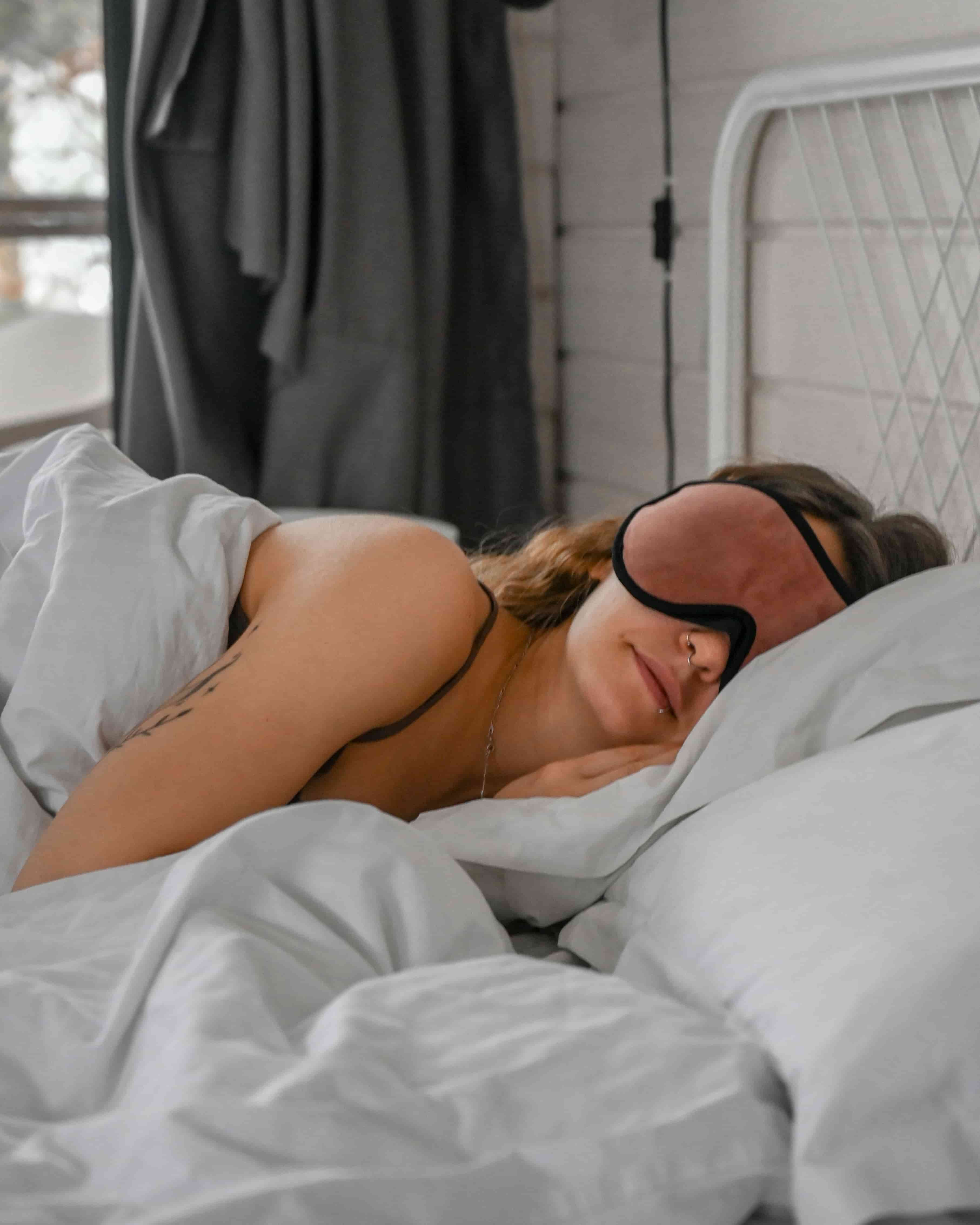
You wake up feeling exhausted, even after spending eight hours in bed. Your mouth feels dry, your head aches, and your partner mentions that you were making loud noises throughout the night. Many people brush these sounds off as a normal part of getting older or feeling deeply tired.
Understanding what snoring means can completely transform the way you feel during the day. Your nighttime breathing is a direct window into your overall wellness. When you investigate the root causes of your sleep disruptions, you unlock the ability to restore your energy, protect your heart, and wake up feeling genuinely refreshed.
This guide explores the physical mechanics behind your sleep sounds and the hidden impacts on your systemic health. You will also discover how modern, minimally invasive treatments can help you finally achieve the deep, restorative rest your body craves.
Key Takeaways
- Your airway dictates your sleep quality: Snoring happens when relaxed tissues narrow your breathing passages, causing physical vibrations.
- Daytime fatigue has a nighttime source: Chronic snoring often links directly to poor concentration, morning headaches, and elevated blood pressure.
- Comfortable solutions exist: You can reduce snoring intensity significantly through targeted tongue exercises (myofunctional therapy) and custom oral appliances.
- Your jaw anatomy matters: Expanding your palate and optimizing your jaw position can permanently open your airway for easier breathing.

Why your body snores
You can achieve quieter, more restful nights by understanding the physical mechanics of your airway. When you drift from light sleep into deep sleep, the muscles in the roof of your mouth, tongue, and throat naturally relax. For many people, these tissues relax so much that they partially block the flow of oxygen.
As you breathe in and out, the air is forced through this narrowed space. This forceful airflow causes the sagging tissues in your soft palate and throat to vibrate. That vibration creates the rumbling, rattling sound you recognize as snoring. The narrower your airway becomes, the more forcefully the air must travel, which makes the sound grow louder.
Several factors influence the shape and size of your airway. Your unique mouth anatomy, such as a large tongue or enlarged tonsils, can crowd the space available for oxygen. Nasal congestion from allergies forces you to breathe through your mouth, which alters your jaw position and restricts airflow. Even your sleep position plays a role, as sleeping flat on your back allows gravity to pull your throat tissues downward.
Beyond the sound
You protect your long-term cardiovascular health and daily focus when you address your nighttime breathing habits. While occasional snoring happens to almost everyone, loud and chronic snoring serves as an important warning sign from your body. It often points to a condition called obstructive sleep apnea (OSA).
During an apnea episode, your breathing slows significantly or stops entirely for short periods. Your brain senses the drop in oxygen and briefly wakes you up to gasp for air, preventing you from ever reaching the deepest, most healing stages of sleep.
You might notice the effects of this disrupted sleep long after you get out of bed. People dealing with airway restrictions frequently experience excessive daytime sleepiness, irritability, and difficulty concentrating on daily tasks. Because your body has to work so hard just to pull in oxygen, chronic snoring places heavy stress on your cardiovascular system.
Over time, this constant nighttime strain increases your risk of developing high blood pressure, heart conditions, and metabolic imbalances.
Modern solutions for quiet nights
You can breathe freely and sleep deeply without relying on uncomfortable or bulky machines. Healthcare has evolved far beyond the traditional CPAP mask, offering you solutions that easily integrate into your lifestyle.
You can naturally strengthen your airway using myofunctional therapy. This specialized physical therapy focuses on training your tongue and facial muscles to rest in their proper positions. Clinical studies demonstrate that these targeted exercises yield incredible results. In fact, a major systematic review of adult patients found that myofunctional therapy reduced snoring intensity by 51% and cut the total time spent snoring during sleep by 31%. By retraining your muscles, you naturally keep your airway open.
You can also experience immediate relief with custom oral appliance therapy. These specialized mouthguards are designed by trained professionals to gently support your jaw in a slightly forward position while you sleep. This subtle shift prevents your tongue and soft palate from collapsing backward. Medical guidelines show that custom, titratable oral appliances are highly effective at reducing airway blockages, improving your blood oxygen levels, and enhancing your overall quality of life.
Integrative care in Austin
You deserve to wake up feeling completely revitalized using advanced, minimally invasive techniques available right here in Austin. Treating the root cause of your sleep issues means looking at the entire picture of your oral and systemic health, rather than just masking the symptoms.
Your jaw development plays a massive role in how well you breathe. If your upper jaw is underdeveloped or your lower jaw sits too far back, your airway becomes physically compromised. Using holistic, expansive orthodontic treatments, you can gently and naturally encourage your jawbones to widen and move forward. These specialized appliances permanently reposition your dental arches, giving your tongue the space it needs and creating a wide-open pathway for oxygen.
You also benefit from advanced tools that make treatment comfortable and precise. For example, modern laser dentistry allows for the gentle release of tongue ties that might be forcing you to mouth-breathe. By balancing your bite, addressing structural limitations, and expanding your airway, you support your body’s natural ability to heal itself.

Frequently Asked Questions
Q: Does snoring mean I have sleep apnea?
A: Snoring does not automatically mean you have sleep apnea, but it is one of the most common warning signs. You should seek a professional evaluation if your snoring is paired with chronic daytime fatigue, morning headaches, or instances where you wake up gasping for air.
Q: How do I know if I am snoring if I sleep alone?
A: You can easily monitor your sleep sounds by downloading a noise-activated sleep tracking app on your smartphone. These tools record audio during the night, allowing you to hear the frequency and intensity of your breathing patterns the next morning.
Q: Can changing my habits help me stop snoring?
A: You can significantly improve your nighttime breathing by making simple adjustments. Sleeping on your side instead of your back prevents gravity from collapsing your airway. Additionally, avoiding alcohol before bed keeps your throat muscles from relaxing too deeply.
Q: What makes custom oral appliances different from store-bought mouthguards?
A: You get precise, effective results with a custom oral appliance because it is tailored to your unique anatomy. Unlike generic sports guards, these specialized devices are micro-adjustable, allowing a professional to perfectly position your jaw for maximum airflow and joint comfort.
Reclaim Your Restful Nights
You have the power to take control of your sleep and transform your daily energy levels. Now that you understand what snoring means for your body, you no longer have to settle for exhausting days and restless nights.
Taking the first step toward better health starts with evaluating your airway and jaw structure. By seeking an integrative, minimally invasive approach, you can find a permanent solution that respects your body and restores your vitality. Choose to invest in your breathing, and you will unlock a healthier, more vibrant version of yourself. Book your appointment here at Honest Family Dental today!